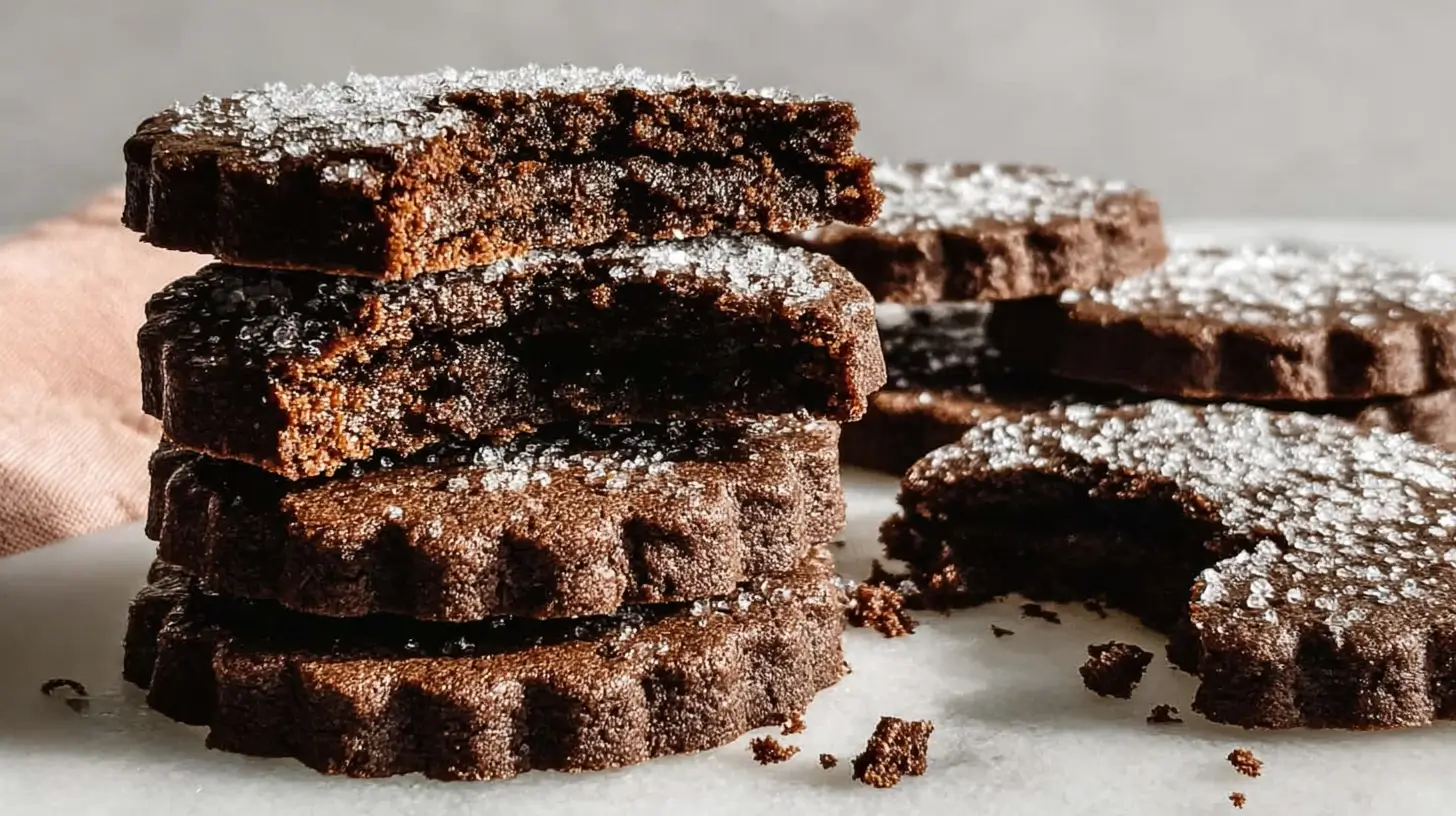
Unlock Rich Flavor: Mastering Chocolate Shortbread Baking Tips
There's something undeniably enchanting about the humble shortbread cookie. Its buttery, crumbly texture and melt-in-your-mouth quality have captivated palates for centuries. Introduce rich, decadent chocolate into the mix, and you elevate this classic treat to a whole new level of irresistible indulgence. Why Chocolate Shortbread Cookies Are Irresistible is a question easily answered with every bite. Achieving the perfect balance of snap, crumble, and deep chocolate flavor in your homemade chocolate shortbread cookies, however, requires a few insider tips and techniques. This guide will walk you through the essential steps, from selecting the right ingredients to mastering the bake, ensuring every batch you make is a masterpiece.
Baking chocolate shortbread cookies isn't just about following a recipe; it's about understanding the science and artistry behind each ingredient and action. With these comprehensive baking tips, you'll gain the confidence to create shortbread that's not only delicious but truly spectacular, delivering that rich flavor and perfect texture every time.
Mastering the Foundation: Ingredients for Superior Chocolate Shortbread Cookies
The secret to exceptional chocolate shortbread cookies begins with high-quality ingredients. Unlike more complex bakes, shortbread has very few components, meaning each one plays a starring role and its quality directly impacts the final product.
- Butter: The Heart of Shortbread
Always opt for unsalted, high-quality butter. European-style butters, with their higher fat content and lower water content, often yield a more tender crumb and richer flavor. Ensure your butter is cold and firm, especially if you're going for a 'cut-in' method, or softened but still cool for creaming. The temperature of your butter significantly affects the dough's consistency and how the cookies bake. Cold butter prevents overspreading and helps maintain the cookie's shape, contributing to that desirable snap. - Flour: The Structural Backbone
All-purpose flour is standard for shortbread. Sifting your flour is a crucial step that ensures a lighter, more uniform texture and helps prevent lumps. Avoid over-handling the dough once the flour is added, as this develops gluten, which can make your shortbread tough instead of tender and crumbly. - Sugar: For Sweetness and Texture
Granulated sugar or caster sugar (superfine sugar) are typically used. Caster sugar dissolves more readily, contributing to a smoother texture. Some recipes also incorporate powdered sugar, which can create an even more delicate, melt-in-your-mouth crumb due to its fine texture and cornstarch content. The sugar provides sweetness and aids in browning and crispness. - Cocoa Powder: The Chocolatey Depth
This is where the chocolate truly shines. Use unsweetened cocoa powder. For a deeper, darker color and milder chocolate flavor, opt for Dutch-processed cocoa. Natural cocoa powder will yield a lighter color and a slightly more acidic, fruity chocolate note, which can react differently with leavening agents (though most shortbread doesn't use leavening). The quality of your cocoa powder will profoundly affect the richness and complexity of your chocolate shortbread cookies. - Chocolate: Chips, Chunks, or Melted?
Beyond cocoa powder, adding solid chocolate pieces or melted chocolate can elevate your shortbread. Dark chocolate (60-70% cocoa) or semi-sweet chocolate chips/chunks are excellent choices. For an extra luxurious touch, finely chopped high-quality chocolate bars melt beautifully into pockets of intense flavor. If incorporating melted chocolate into the dough itself, ensure it's cooled slightly before mixing to avoid melting the butter. - Salt and Vanilla: Flavor Enhancers
A pinch of salt is essential to balance the sweetness and enhance the chocolate flavor. Don't skip it! Pure vanilla extract also complements chocolate wonderfully, adding a layer of aromatic complexity that ties all the flavors together.
The Art of Mixing: Achieving That Perfect Shortbread Texture
Mixing shortbread dough isn't just about combining ingredients; it's a delicate dance that determines the final texture. Overmixing is the enemy of tender shortbread.
- Creaming Butter and Sugar: A Gentle Touch
If your recipe calls for creaming butter and sugar, do so until light and fluffy, but don't overdo it. The goal is to incorporate some air, but not too much, as excessive air can lead to a cakier texture rather than the dense, crumbly shortbread we desire. - Gradually Adding Dry Ingredients: Just Enough
Once your butter and sugar (and any liquid extracts) are combined, gradually add the sifted flour and cocoa powder. Mix on low speed or by hand until the dry ingredients are just incorporated. The dough should come together and be cohesive, but still look slightly crumbly. At this point, resist the urge to keep mixing! Overmixing develops gluten, leading to tough cookies. - Incorporating Chocolate: A Final Fold
If you're adding chocolate chips or chunks, fold them in gently after the flour mixture is mostly combined. This ensures even distribution without overworking the dough. - Chilling the Dough: The Secret to Stability
This step is non-negotiable for superior shortbread. After mixing, gather the dough, flatten it into a disc or log, wrap it tightly in plastic wrap, and refrigerate for at least 30 minutes, or even a few hours. Chilling solidifies the butter, which prevents the cookies from spreading too much during baking, ensuring they hold their shape and maintain a crisp, tender texture. It also allows the flavors to meld beautifully. For truly perfect chocolate shortbread cookies, this rest time is crucial.
Shaping, Baking, and Cooling for Optimal Results
The final steps in creating your delightful chocolate shortbread cookies involve precise shaping, careful baking, and patient cooling.
- Shaping Your Shortbread: Uniformity is Key
Once chilled, your dough is ready for shaping. You can roll it out to a uniform thickness (about ¼ to ½ inch is ideal) and cut shapes with cookie cutters. For a classic look, form the dough into logs, chill again, and then slice into rounds. Alternatively, press the dough into a shortbread pan for traditional shortbread fingers. Ensure all cookies are roughly the same size and thickness to ensure even baking. - Docking: The Tiny Pricks That Matter
If you're baking traditional shortbread, or even cookie-cutter shapes, gently pricking the dough with a fork (known as "docking") helps prevent air pockets from forming and ensures a flat, even bake. This also gives the cookies their characteristic shortbread appearance. - Baking Temperature and Time: Low and Slow
Shortbread is typically baked at a relatively low temperature (around 300-350°F or 150-175°C) for a longer period. This slow baking allows the cookies to dry out and crisp up without browning too much, preserving their pale color (for non-chocolate versions) and delicate texture. For chocolate shortbread cookies, baking until just set and slightly firm to the touch is key, as the dark color can make it hard to gauge doneness by sight. The edges might look slightly firmer, but the center should still be relatively pale and soft. Overbaking leads to dry, tough cookies. - Parchment Paper and Baking Sheets: Your Best Friends
Always bake shortbread on a baking sheet lined with parchment paper. This prevents sticking, promotes even heat distribution, and makes cleanup a breeze. Heavy-gauge baking sheets also help prevent hot spots and ensure a consistent bake across the entire batch. - Cooling: The Patience Pays Off
Once baked, let the cookies cool on the baking sheet for about 5-10 minutes. They will be delicate when hot and could break. This brief cooling period on the warm sheet allows them to firm up slightly. Then, carefully transfer them to a wire rack to cool completely. Cooling on a rack ensures air circulation, preventing the bottoms from becoming soggy and maintaining that desired crispness.
Elevating Your Chocolate Shortbread: Flavor Variations and Finishing Touches
While classic chocolate shortbread cookies are perfect on their own, there are many ways to add a personal touch and enhance their already rich flavor profile.
- Flavor Boosts: Zests, Spices, and More
Consider adding a tablespoon of finely grated orange zest for a vibrant chocolate-orange combination, or a touch of peppermint extract for a minty twist. A pinch of cayenne pepper can introduce a subtle, intriguing heat, while espresso powder intensifies the chocolate flavor without making the cookies taste like coffee. Experiment with cinnamon, cardamom, or even a hint of sea salt mixed into the dough for gourmet variations. - Garnishes and Glazes: The Final Flourish
Once your cookies are cooled, a simple drizzle of melted chocolate, a sprinkle of flaky sea salt, or a light dusting of powdered sugar can add both visual appeal and an extra layer of flavor. A thin chocolate glaze can also make them extra special for gifting or entertaining. - Storage: Keeping Them Fresh
Properly stored, chocolate shortbread cookies can last for a week or more in an airtight container at room temperature. Their sturdy nature makes them excellent candidates for gifting or making ahead. For optimal freshness and to Bake Perfect Chocolate Shortbread Cookies Today and enjoy later, store them in a cool, dry place. They also freeze exceptionally well, either baked or as unbaked dough.
Baking delicious chocolate shortbread cookies is a rewarding experience that combines simple ingredients with precise techniques. By paying close attention to the quality of your butter and cocoa, understanding the importance of proper mixing, and mastering the low-and-slow baking process, you can achieve a cookie that is perfectly buttery, wonderfully crumbly, and bursting with rich chocolate flavor. These tips are designed to transform your baking from good to extraordinary, ensuring every batch you pull from the oven is nothing short of perfection. Happy baking!
